 India and the UAE are currently served by our service, and we're expanding to the USA.
What Is Workforce Planning & Forecasting?
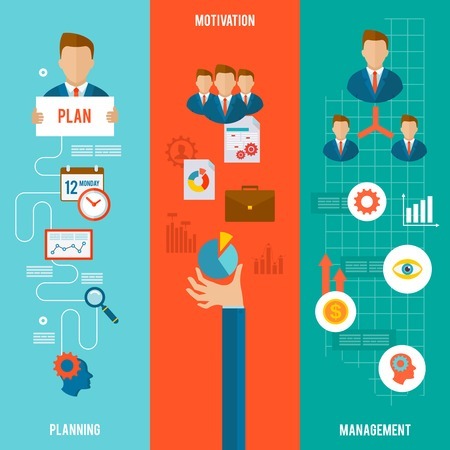
Is the process of analyzing your current workforce and predicting future labor needs based on business objectives. It involves evaluating internal resources, external labor trends, and technology disruptions to make informed decisions about hiring, reskilling, and succession planning.
📘 Related Internal Resource: Learn more about strategic HR planning in our HR Optimization Toolkit
Key Components of an Effective Workforce Plan
To create a reliable plan, focus on these key elements:
Demand Forecasting: Estimating the number and types of employees needed.
Supply Analysis: Understanding current workforce capabilities.
Gap Analysis: Identifying the difference between supply and demand.
Action Planning: Developing recruitment, training, or restructuring strategies.
🔗 External Resource: SHRM Guide to Workforce Planning
Tools and Technologies You Should Be Using
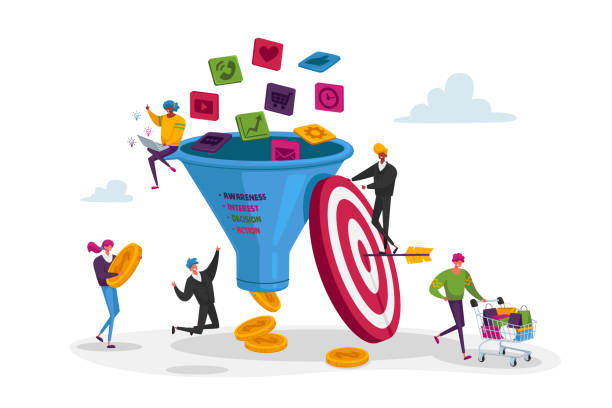
Modern workforce planning and forecasting relies heavily on data analytics and AI-driven platforms. Tools like SAP SuccessFactors, Workday, and ADP Workforce Now provide real-time insights to streamline HR operations.
Predictive modeling, scenario planning, and cloud-based dashboards help you stay ahead of workforce trends and optimize staffing decisions.
📘 Internal Guide: How to Use HR Analytics for Smarter Workforce Forecasting
Frequently Asked Questions
What is workforce planning & forecasting?
It’s the process of analyzing current workforce data to predict future staffing needs and align talent with business goals.
Why is it important?
It helps organizations stay ahead by avoiding skill gaps, improving hiring efficiency, and supporting long-term growth.
What tools are used?
Tools like HR analytics software, HCM platforms (e.g., Workday), and forecasting templates help manage and plan workforce needs.
Workforce planning and workforce forecasting!!
Workforce planning and workforce forecasting are closely related but serve distinct purposes. Workforce planning is a strategic process that focuses on aligning an organization's talent needs with its long-term goals. It involves identifying current workforce capabilities, future talent requirements, and actionable steps like hiring, training, or restructuring. In contrast, workforce forecasting is more analytical and data-driven—it predicts future workforce trends based on historical data, market changes, and business growth projections. While planning is about building a roadmap for workforce needs, forecasting provides the insights that inform those plans. Together, they form a powerful approach to ensure the right people are in the right roles at the right time.