 India and the UAE are currently served by our service, and we're expanding to the USA.
Understanding Hybrid Performance Management 2.0
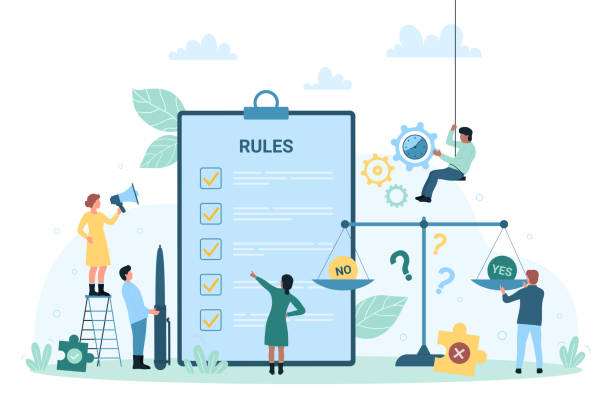
Hybrid Performance Management 2.0 integrates digital tools, real-time feedback, and flexible goal-setting frameworks to align with the unique needs of a distributed workforce. It moves beyond traditional annual reviews, embracing continuous performance monitoring, personalized growth plans, and employee-centric KPIs.
This method enables managers to foster a performance culture that is inclusive, transparent, and agile. According to Harvard Business Review, companies using modern performance strategies are 2.4 times more likely to outperform their peers.
Key Components of an Effective 2.0 Strategy
Implementing Hybrid Performance Management 2.0 involves several core elements:
Real-time Feedback Tools: Platforms like Lattice or 15Five help streamline continuous communication and recognition.
Goal Alignment Frameworks: OKRs (Objectives and Key Results) and SMART goals are integral to connecting individual efforts with organizational vision.
Data-Driven Insights: Use analytics to track productivity, engagement, and burnout risks—especially for remote employees.
Our guide to Workplace Analytics covers tools you can implement today.


Benefits of Hybrid Performance Management 2.0
There are numerous advantages to upgrading your system:
Boosted Engagement: Employees receive consistent feedback and development opportunities, increasing satisfaction.
Improved Retention: When employees feel heard and supported, they’re less likely to churn.
Enhanced Accountability: Managers can track progress and challenges in real-time.
Hybrid Performance Management 2.0 empowers HR teams to focus on people, not just processes. Check out our post on employee engagement strategies for actionable tips.
Frequently Asked Questions
What is Performance Management 2.0?
It’s a modern, continuous approach to tracking performance with real-time feedback, goal alignment, and employee growth—ideal for hybrid work models.
Why is it important for hybrid teams?
It keeps remote and in-office employees aligned, engaged, and accountable through regular check-ins and digital performance tools.
What tools support Performance Management 2.0?
Platforms like Lattice, 15Five, and Culture Amp support feedback, goal tracking, and analytics for hybrid teams.
Performance Management 2.0 and Traditional performance systems
Performance Management 2.0 represents a significant shift from traditional performance systems. While older models relied on annual reviews and top-down evaluations, the 2.0 approach emphasizes continuous feedback, real-time goal tracking, and employee-driven development. Traditional systems often lacked agility and failed to reflect day-to-day performance, especially in hybrid work settings. In contrast, Performance Management 2.0 is built for flexibility, using digital tools to keep remote and in-office employees aligned, engaged, and accountable. It transforms performance from a once-a-year event into an ongoing, collaborative process focused on growth, clarity, and results.