 India and the UAE are currently served by our service, and we're expanding to the USA.

What is Hybrid Workforce Management?
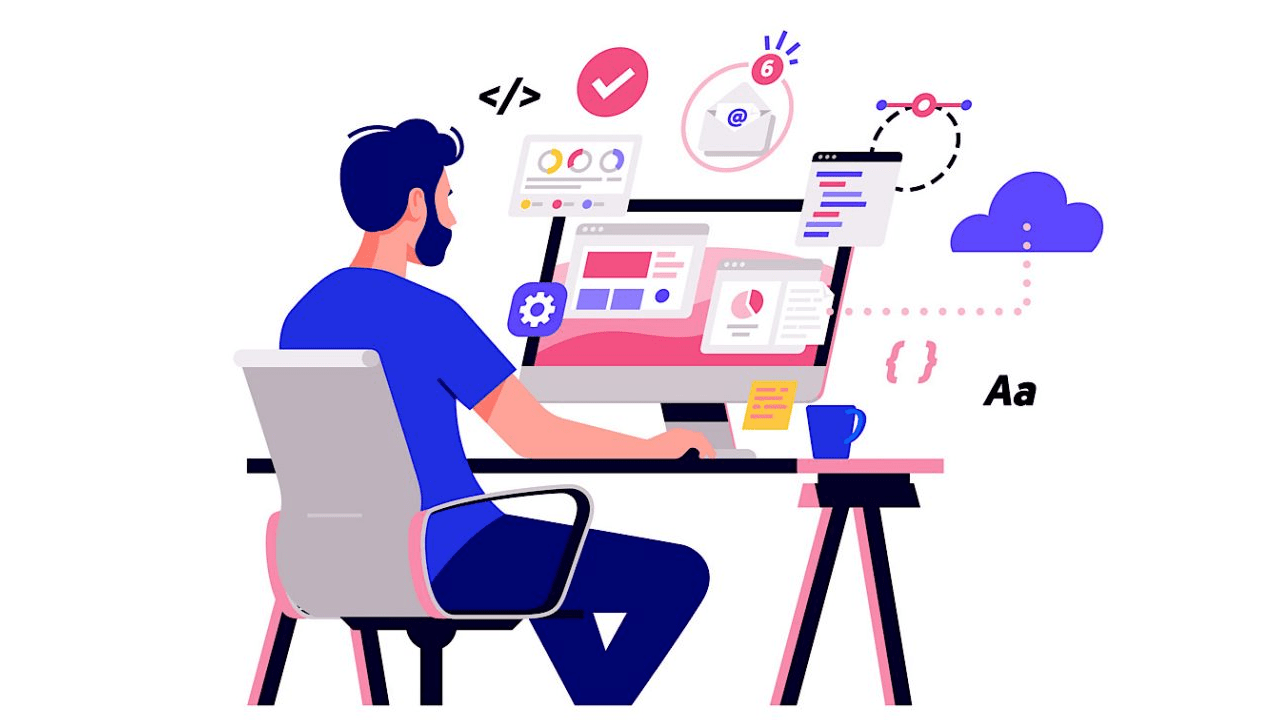
Hybrid workforce management refers to the systems, tools, and strategies used to manage a workforce that operates both remotely and on-site. It involves balancing employee needs, maintaining operational efficiency, and leveraging technology for seamless collaboration.
This model has gained popularity post-pandemic, with companies like Microsoft and Google leading the charge toward hybrid work structures.
Key Elements of Hybrid Workforce Management:
Cloud-based communication and collaboration tools
Performance tracking and productivity analytics
Flexible scheduling and time tracking systems
Inclusive company culture for both remote and in-office staff
Benefits of a Hybrid Workforce
Implementing effective hybrid workforce management offers a variety of benefits:
Increased Productivity: Employees often perform better with the flexibility to choose their work environment.
Access to Global Talent: Organizations can hire the best talent regardless of location.
Cost Efficiency: Reduced need for office space and utilities.
Improved Employee Retention: Work-life balance leads to higher job satisfaction.
An internal example of a hybrid work success story is shared in our recent post on Remote Work Culture and Employee Engagement.

Challenges of Managing a Hybrid Workforce
Despite its advantages, hybrid workforce management also presents some unique challenges:
Communication Gaps: Without proper tools, remote teams may feel isolated.
Unequal Access to Opportunities: In-office employees may receive more visibility.
Security Risks: Managing sensitive data across various locations is more complex.
Monitoring and Accountability: Balancing autonomy and performance can be tricky.
Overcoming these challenges requires a robust hybrid workforce management strategy that includes clear communication policies and secure digital tools.
Frequently Asked Questions
What is essential for hybrid workforce management?
Clear communication, digital tools, flexible policies, performance tracking, and inclusive culture are key.
How do you keep hybrid employees engaged?
Regular check-ins, recognition, equal opportunities, and virtual team-building help boost engagement.
What tools help manage hybrid teams?
Tools like Slack, Zoom, Asana, and HR platforms like BambooHR support communication and productivity.
Traditional in-office models and hybrid workforce management
Compared to traditional in-office models, hybrid workforce management offers greater flexibility and work-life balance by allowing employees to split time between remote and on-site work. Unlike fully remote setups, it maintains the benefits of face-to-face collaboration while reducing the limitations of physical location. However, it also introduces unique challenges not present in either model alone—such as ensuring consistent communication, equitable access to resources, and unified company culture across dispersed teams. The key difference lies in the need for dynamic coordination and digital infrastructure to manage hybrid teams effectively, blending the structure of in-office management with the autonomy of remote work.