 India and the UAE are currently served by our service, and we're expanding to the USA.
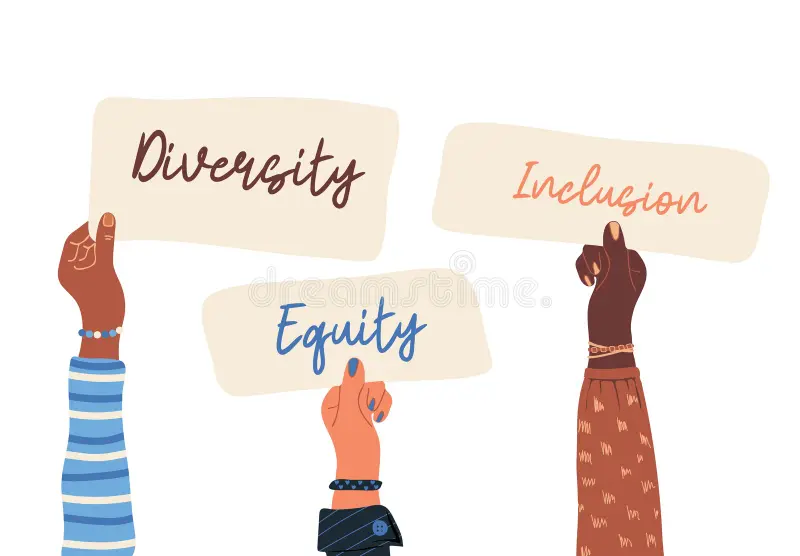

Why DEI Matters in Today’s Workplace
A workplace built on Diversity, Equity & Inclusion (DEI) encourages creativity, enhances collaboration, and attracts top talent. Studies show that diverse teams are more innovative and perform better financially. Employees are more likely to stay with organizations that reflect their values and foster inclusive environments.
How to Implement DEI Internally
Organizations can take several actions to strengthen Diversity, Equity & Inclusion (DEI):
- Fair Recruitment: Ensure hiring processes eliminate bias and encourage diversity.
- Training and Awareness: Conduct regular DEI training for leadership and staff.
- Supportive Networks: Create Employee Resource Groups (ERGs) to build community.
- Clear Policies: Communicate anti-discrimination policies and reporting mechanisms.

Making an External Impact Through DEI Diversity
Diversity, Equity & Inclusion (DEI) extends beyond internal policies. Companies can:
Support Local Communities: Partner with nonprofits and sponsor DEI initiatives.
Promote Supplier Diversity: Collaborate with diverse vendors and suppliers.
Public Accountability: Share DEI commitments and track progress transparently.
Brands that lead with DEI principles strengthen their reputation and create meaningful change.
Conclusion Embracing Diversity, Equity & Inclusion (DEI) is more than a trend—it’s a business imperative and moral responsibility. By prioritizing DEI in both internal practices and external actions, organizations can create inclusive workplaces where everyone thrives.
Frequently Asked Questions
What does DEI stand for, and why is it important?
DEI stands for Diversity, Equity, and Inclusion. Diversity involves recognizing and valuing differences among individuals, such as race, gender, age, and background. Equity ensures fair treatment, access, and opportunities for all, striving to identify and eliminate barriers that have prevented the full participation of some groups. Inclusion is about creating environments where all individuals feel welcomed, respected, and valued. Implementing DEI practices leads to more innovative, productive, and equitable workplaces.
How can organizations benefit from DEI initiatives?
Organizations that prioritize DEI often experience enhanced creativity, better decision-making, and improved employee engagement. A diverse workforce brings varied perspectives, leading to innovative solutions and a competitive edge in the market. Moreover, inclusive environments can attract and retain top talent, fostering a positive company culture.
What challenges might arise when promoting DEI, and how can they be addressed?
Challenges can include unconscious biases, resistance to change, and a lack of understanding about DEI concepts. Addressing these requires ongoing education, open communication, and leadership commitment. Providing training sessions, setting clear DEI goals, and encouraging feedback can help overcome obstacles and promote a more inclusive environment.
Diversity, Equity & Inclusion (DEI)!!
Diversity refers to the presence of differences within a given setting, encompassing various identities, perspectives, and experiences. Equity involves ensuring fair treatment, access, and opportunities for all individuals, while striving to identify and eliminate barriers that have prevented the full participation of some groups. Inclusion is the practice of creating environments where all individuals feel valued, respected, and supported.