 India and the UAE are currently served by our service, and we're expanding to the USA.
Benefits of Cloud-Based HRMS
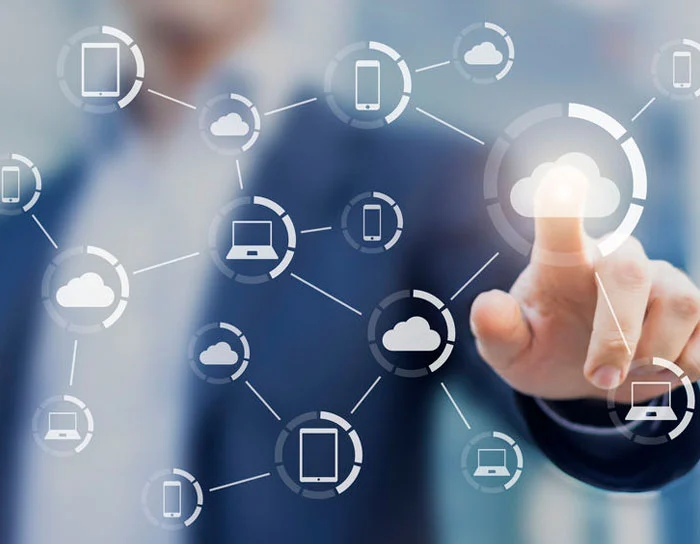
Cloud-based HRMS offers numerous advantages over traditional HR systems. Here are some key benefits:
Cost Efficiency: Cloud-based HRMS eliminates the need for costly on-premise infrastructure and reduces maintenance expenses.
Scalability: Businesses can easily scale their HR operations as they grow without investing in additional hardware.
Accessibility: With cloud technology, HR professionals and employees can access data and services anytime, anywhere.
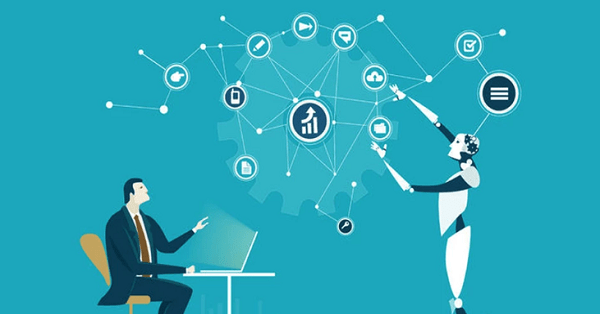
Automation & Integration: The system streamlines HR processes by automating payroll, attendance tracking, and performance reviews, ensuring seamless operations.
To explore more about how cloud solutions can improve HR functions, visit this detailed guide.
Key Features of Cloud-Based HRMS
A well-designed cloud-based HRMS provides multiple features that enhance HR operations:
Employee Self-Service: Employees can update personal details, apply for leaves, and access payslips without HR intervention.
AI-Powered Recruitment: AI-driven applicant tracking systems help streamline hiring and talent acquisition.
Data Security: Cloud HRMS solutions implement robust security protocols, including encryption and multi-factor authentication, to protect sensitive employee data.
Analytics & Reporting: HR teams can generate real-time reports and gain insights to optimize workforce management strategies.
For a deeper insight into the essential features of an HRMS, you can check out this article.


Choosing the Right Cloud-Based HRMS for Your Business
When selecting a cloud-based HRMS, consider these factors:
Customization: Ensure the platform aligns with your organization’s specific HR needs.
User Experience: A user-friendly interface enhances employee engagement and adoption.
Integration Capabilities: The HRMS should seamlessly integrate with existing business tools, such as payroll software and ERP systems.
Compliance & Security: Opt for a solution that meets industry compliance standards and provides strong security features.
By adopting a cloud-based HRMS, businesses can streamline HR functions, improve employee satisfaction, and stay ahead in a competitive landscape.
Frequently Asked Questions
What is a Cloud-Based HRMS?
A Cloud-Based HRMS is an online software solution that automates HR functions like payroll, recruitment, and employee management, accessible from anywhere via the internet.
How does Cloud-Based HRMS benefit businesses?
It reduces costs, improves accessibility, automates HR tasks, enhances data security, and scales easily as the business grows.
What should I consider when choosing a Cloud-Based HRMS?
Look for features like customization, ease of use, integration with other tools, strong security, and reliable customer support.
Cloud-Based HRMS and Traditional on-premise HR systems
A Cloud-Based HRMS offers several advantages over traditional on-premise HR systems. Unlike on-premise solutions that require expensive infrastructure and dedicated IT maintenance, cloud-based HRMS operates on remote servers, reducing costs and improving accessibility. With cloud technology, HR professionals and employees can access data and services from anywhere, making it ideal for remote and hybrid work environments. Additionally, cloud-based HRMS automates key HR functions such as payroll processing, attendance tracking, and recruitment, leading to increased efficiency and accuracy. Security is another major benefit, as cloud providers implement advanced encryption, multi-factor authentication, and compliance measures to protect sensitive employee data. In contrast, on-premise systems require businesses to manage their own security, updates, and backups, which can be resource-intensive. Furthermore, cloud-based HRMS solutions offer seamless integration with other business tools, allowing organizations to create a unified digital workspace. Overall, businesses looking for scalability, cost-effectiveness, and flexibility will find cloud-based HRMS a superior choice compared to traditional systems.