 India and the UAE are currently served by our service, and we're expanding to the USA.
Understanding the Basics of HR Compliance & Regulations
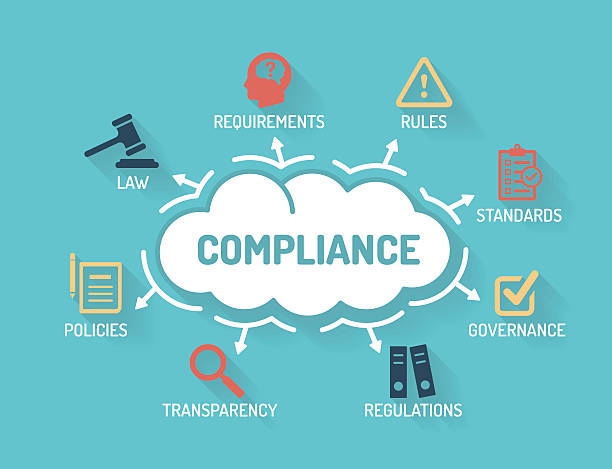
HR compliance & regulations refer to the legal and ethical responsibilities businesses must follow regarding employee management. These include federal laws like the Fair Labor Standards Act (FLSA), Equal Employment Opportunity (EEO) laws, and state-specific labor codes.
When businesses overlook, the risks include:
Hefty fines and lawsuits
Damaged employer reputation
Loss of employee trust
Lower productivity due to poor workplace practices
It’s crucial for businesses to understand what’s required at the federal, state, and even local levels. Organizations like the Society for Human Resource Management (SHRM) offer valuable updates and tools to stay current on changes.
Key Areas Where Compliance Is Crucial
To effectively manage HR compliance & regulations, businesses should focus on the following core areas:
1. Wages and Working Hours
Employers must adhere to wage laws under the FLSA, including paying minimum wage and appropriate overtime. Misclassifying employees or failing to maintain accurate time records can lead to serious penalties.
2. Workplace Discrimination and Harassment
Laws such as Title VII, ADA, and ADEA protect workers from discrimination and require employers to provide a safe, inclusive workplace. Many states also require regular harassment prevention training.
3. Employee Benefits and Rights
From family leave policies (FMLA) to COBRA benefits and privacy under HIPAA, employers must respect and uphold employee rights across various programs.
You can read more about how to create compliant policies in our HR Policy Framework Guide.

Staying Ahead: Best Practices for HR Compliance
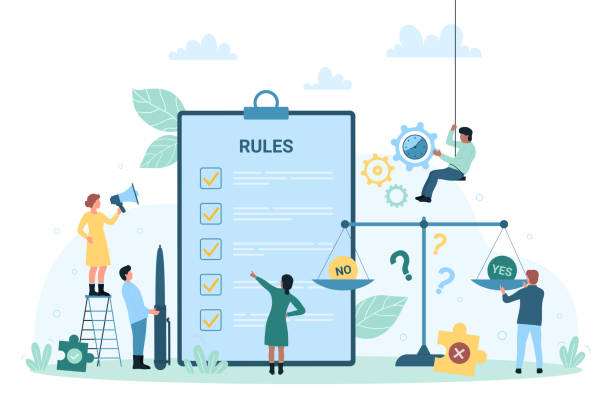
Staying compliant with HR compliance & regulations is an ongoing process—not a one-time effort. Here are some best practices to follow:
Conduct regular audits of HR practices and employee records
Use reliable HR software that tracks law changes and automates documentation
Train managers and staff on current employment laws and internal policies
Stay informed through platforms like HR Dive for the latest legal updates
A proactive approach to HR compliance & regulations helps you minimize risks while fostering a professional and trustworthy workplace.
Frequently Asked Questions
What is HR compliance?
HR compliance refers to following all labor laws and employment regulations related to hiring, compensation, workplace safety, benefits, and employee rights.
Why is HR compliance important for businesses?
It helps avoid legal penalties, improves workplace culture, protects employee rights, and ensures fair and ethical business practices.
How can a company stay compliant with HR regulations?
By conducting regular audits, staying updated on laws, providing employee training, and using HR software to track compliance tasks.
HR compliance and HR regulations!!
closely related but not the same. HR regulations are the laws and legal requirements set by federal, state, or local authorities that govern how businesses should manage their workforce—covering areas like wages, discrimination, workplace safety, and employee rights. In contrast, HR compliance is how a business responds to and implements those regulations within its operations. It involves creating policies, conducting training, updating employee handbooks, and ensuring daily practices align with legal standards. While HR regulations define what must be done, HR compliance is the company’s effort to follow those rules and avoid legal risks.